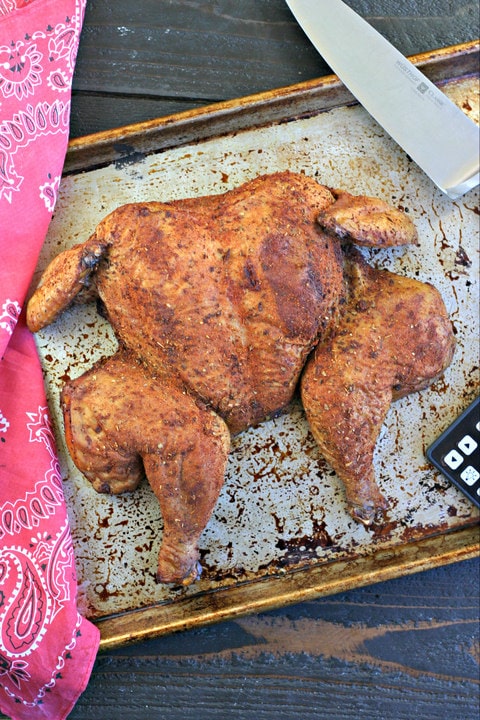
There are few culinary delights that capture the vibrant spirit and robust flavors of Louisiana quite like a perfectly executed cajun roast chicken. Far from being just another roasted bird, this dish is a symphony of spices, a testament to the region's rich culinary heritage, and a promise of a meal that is both profoundly satisfying and utterly unforgettable. Imagine a golden-brown chicken, its skin crisped to perfection, encasing meat so tender and juicy it practically melts in your mouth, each bite bursting with the warm, complex heat of authentic Cajun seasoning. Mastering this dish means bringing a piece of the bayou right into your kitchen, offering a taste experience that is deeply flavorful and wonderfully aromatic.
Whether you're a seasoned home cook or a curious beginner, the journey to crafting an exceptional cajun roast chicken is an enjoyable one, culminating in a centerpiece meal that will impress family and friends. Forget dry, bland poultry; our guide will unveil the secrets to achieving a succulent bird every time, infused with that unmistakable Cajun zest. Get ready to transform a simple chicken into a culinary masterpiece that truly lives up to its delicious reputation.
The Heart of Cajun Flavor: Understanding the Spice Blend
The soul of any great cajun roast chicken lies unequivocally in its seasoning. This isn't just about adding heat; it's about building layers of complex flavor that are both fiery and herbaceous, savory and aromatic. A traditional Cajun spice blend typically features a robust combination of ingredients, each playing a crucial role:
- Paprika (smoked or sweet): Provides a beautiful reddish hue and a foundational earthy flavor. Smoked paprika adds an extra dimension of depth.
- Cayenne Pepper: The primary source of heat, allowing you to customize the spice level to your preference.
- Garlic Powder & Onion Powder: Essential aromatics that create a savory backbone.
- Dried Thyme & Oregano: Contribute a fragrant, herbaceous quality that balances the heat.
- Salt & Black Pepper: Non-negotiable for enhancing all other flavors.
While high-quality store-bought Cajun blends are readily available, creating your own offers unparalleled control over freshness and flavor profile. Mixing your own batch allows you to adjust the heat (more or less cayenne), saltiness, and specific herbal notes. A useful tip for maximizing the aroma and flavor of your homemade blend is to lightly toast the whole spices (like dried thyme or oregano, if you grind them yourself) in a dry pan for a minute or two before grinding or mixing. This awakens their essential oils, intensifying their impact on your chicken. Remember, proper seasoning is about generously coating the entire bird, inside and out, ensuring every bite is infused with that authentic Louisiana warmth.
Choosing Your Bird and Preparing for Perfection
The success of your cajun roast chicken begins long before it hits the oven, starting with the selection and preparation of your bird. A whole chicken, typically between 3-5 pounds, works beautifully for roasting. You can also opt for bone-in, skin-on pieces like thighs or drumsticks if you prefer quicker cooking or individual portions, though the dramatic presentation of a whole roasted chicken is hard to beat.
Proper preparation is key to achieving both a crispy skin and incredibly juicy meat. Here are some essential steps:
- Pat It Dry: This step cannot be overstated. After rinsing your chicken (or not, if you follow modern food safety guidelines that deem rinsing unnecessary and potentially spreading bacteria), use paper towels to thoroughly pat the chicken dry, inside and out. Excess moisture on the skin is the enemy of crispiness. As highlighted in Crispy Skin, Spicy Soul: Ultimate Cajun Roast Chicken, a dry surface is crucial for that coveted crackling exterior.
- Season Liberally: Once dry, rub your Cajun spice blend all over the chicken, including under the skin of the breast and thighs, and a good sprinkle inside the cavity. Don't be shy – the chicken can handle a generous amount of flavor. You can even let the seasoned chicken sit uncovered in the refrigerator for a few hours or overnight to further dry the skin and allow the flavors to penetrate more deeply.
- Consider Spatchcocking: For a more even cook and faster roasting time, consider spatchcocking (butterflying) your chicken. This involves removing the backbone and flattening the bird, exposing more surface area to the heat. This technique helps the breast and thigh meat cook more uniformly, reducing the risk of a dry breast.
Taking these simple yet crucial steps will set the stage for an incredibly flavorful and perfectly cooked cajun roast chicken, ensuring every part of the bird is as delicious as the last.
The Art of Roasting: Techniques for Juicy Results
The actual roasting process is where the magic happens, transforming your seasoned bird into a golden-brown, aromatic masterpiece. Achieving a juicy cajun roast chicken with crispy skin requires a few key techniques and careful attention to detail.
Oven Temperature and Time
Start your oven at a higher temperature, typically around 425°F (220°C), for the first 15-20 minutes. This initial blast of heat helps to crisp the skin quickly. After this, reduce the temperature to 375°F (190°C) for the remainder of the cooking time. A general rule of thumb is to roast for about 20 minutes per pound of chicken, but this can vary based on your oven and the chicken's starting temperature. A 3-4 pound chicken might take 60-90 minutes, while a larger 5-pound bird could take closer to 1.5-2 hours.
To Baste or Not to Baste?
While basting seems like a good idea to keep chicken moist, it can actually hinder crispy skin development by repeatedly cooling down the skin and reintroducing moisture. For a truly crispy exterior, many chefs recommend skipping basting altogether, or only basting once or twice in the later stages of cooking if you desire a rich, glossy finish from the pan drippings. A more effective way to ensure juiciness is to ensure the chicken is properly cooked to the right internal temperature without overcooking.
The Importance of a Meat Thermometer
This is your secret weapon for perfect chicken. Always use an instant-read meat thermometer. Insert it into the thickest part of the thigh, avoiding the bone. Your cajun roast chicken is perfectly cooked when it reaches an internal temperature of 165°F (74°C). The breast meat often cooks faster than the thighs, so monitoring the thigh temperature is usually a good indicator that the entire bird is done.
Resting is Non-Negotiable
Once your chicken reaches the target temperature, remove it from the oven and transfer it to a cutting board. Cover it loosely with foil and let it rest for at least 15-20 minutes before carving. This crucial step allows the juices, which have been driven to the center of the bird during cooking, to redistribute throughout the meat. Skipping the rest will result in all those precious juices running out onto your cutting board, leaving you with a drier chicken. Patience here is key to achieving that incredibly juicy, succulent texture.
Elevating Your Cajun Roast Chicken Experience
A perfectly roasted cajun roast chicken is a feast in itself, but pairing it with the right accompaniments transforms it into an even grander culinary event. Cajun cuisine is all about robust flavors and hearty sides that complement and enhance the main dish, creating a truly immersive dining experience that evokes a taste of the Louisiana bayou.
Complementary Side Dishes
Consider these classic pairings to complete your meal:
- Dirty Rice: A flavorful rice dish made with ground meat (often pork or chicken liver) and the "holy trinity" of celery, onions, and bell peppers. It's a staple for a reason.
- Cornbread: A slightly sweet, crumbly cornbread offers a wonderful contrast to the savory, spicy chicken.
- Braised Collard Greens: Slow-cooked greens with smoky ham hocks or bacon provide a rich, earthy bitterness that balances the richness of the chicken.
- Roasted Sweet Potatoes: Their natural sweetness beautifully complements the spice of the Cajun seasoning.
- Creamy Coleslaw: A cool, tangy slaw can provide a refreshing counterpoint to the heat.
Gravy and Pan Sauces
Don't let those flavorful pan drippings go to waste! After removing the chicken and letting it rest, you can easily make a simple, rich gravy. Skim off excess fat, then deglaze the pan with a splash of chicken broth or white wine, scraping up all the browned bits from the bottom. Whisk in a roux (a mixture of butter and flour) to thicken, and season to taste. This savory sauce, infused with all the chicken's juices and Cajun spices, is perfect for drizzling over the carved chicken and your side dishes.
Garnishes and Presentation
Presentation matters! A garnish of fresh parsley or chopped green onions adds a pop of color and freshness. Sliced lemons or orange wedges placed around the bird on a platter can also enhance the visual appeal and offer a bright, citrusy counterpoint to the rich flavors. Serve your beautifully roasted cajun roast chicken whole for a dramatic reveal, then carve at the table, ensuring everyone gets a piece of that succulent, spice-infused meat.
Mastering Cajun roast chicken is more than just cooking a meal; it's about embracing a culinary tradition that celebrates bold flavors, fresh ingredients, and the joy of sharing good food. By following these steps, you're not just making dinner, you're creating an experience.
In conclusion, mastering cajun roast chicken is an incredibly rewarding culinary endeavor. From understanding the nuanced spice blend that defines its character to employing careful preparation techniques and precise roasting methods, every step contributes to the creation of a dish that is both profoundly comforting and vibrantly exciting. The promise of tender, juicy meat encased in crispy, spice-laden skin, coupled with the rich aromas that will fill your home, makes this more than just a meal—it's an event. Embrace the heat, savor the flavors, and enjoy the satisfaction of bringing a taste of Louisiana's soulful cooking to your table. Your journey to a truly unforgettable roasted chicken starts here.
